
Household wells in Ireland sit outside the drinking water regulations, so nobody tests them unless you do. A reverse osmosis system at your kitchen tap removes a wide range of dissolved contaminants found in groundwater, such as nitrates, metals and pesticide residues. Combine it with a yearly lab test and you have a clear, reliable plan for your family's drinking water.
The Hidden Hazards in Well Water
Many families I meet believe well water is the purest water there is. It comes straight from the ground. It has not travelled through miles of pipes. It tastes like home.
I understand that feeling. But after years of studying drinking water, I have learned one simple lesson. Clear water and clean water are not the same thing.
The Environmental Protection Agency makes the same point. It warns that many people assume water from a well or spring is safe to drink, and that this is not always true.
Groundwater picks up whatever the land around it holds. That can include bacteria from septic tanks or grazing animals. It can include nitrates and pesticide residues from nearby farmland. It can also include natural minerals from the rock itself, such as iron and manganese.
Most of these have no colour, smell or taste. You simply cannot see them in a glass.
The Blind Spot: Unseen Contaminants
Here is the gap that surprises most parents. If you are on mains water, your supply is sampled and reported on every year. The EPA's drinking water reports show that public supplies meet the safety standards for bacteria and chemicals 99.8% of the time.
Private supplies are a different story. In July 2026, the EPA published its latest report on private water supplies. It found that 67 small private supplies failed the E. coli standard in 2025. These are wells that serve places like schools, hotels and nursing homes.

Those supplies are at least checked by local authorities. Your household well is not. The report does not cover household wells at all, because they are exempt from the drinking water regulations.
In other words, if your family drinks from a private well, you are the water supplier. The EPA is clear that E. coli in drinking water means the water is contaminated and poses a risk to health. So the evidence points in one direction. Test your well, and then treat what you find.
The EPA recommends testing your well at least once a year. The best time is after heavy rain, when contamination is likely to be at its highest. At a minimum, ask the lab to check for E. coli and coliform bacteria.
The RO System: Unveiling Pure Potability
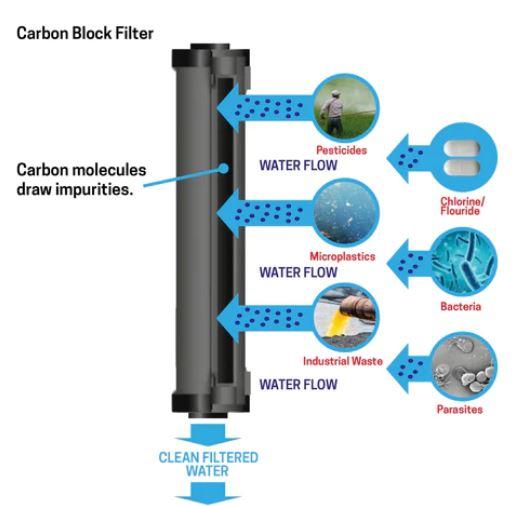
Reverse osmosis, or RO, is one of the best studied ways to treat water. The idea is simple. Water is pushed through an very fine membrane. Water molecules pass through, but most dissolved salts, metals and chemicals do not. They are flushed away to the drain.
A good system adds sediment and carbon stages before the membrane. These catch sand, rust and small particles. They also reduce chlorine and the compounds that affect taste and smell. Then the membrane does the fine work.
This matters for well owners. Many of the things that concern scientists in groundwater are dissolved in the water itself. A filter jug is not designed to deal with nitrates, for example. Reverse osmosis is one of the few home systems that can.
I always add two honest notes here. First, RO works best as part of a plan, not a replacement for testing. If your test ever shows E. coli, the cause needs to be found and fixed. Scientists also recommend a separate disinfection stage, such as UV light, in that case. We call this a multiple barrier approach, and it is how public supplies are protected too.
Second, well water with a lot of iron, manganese or hardness can clog an RO membrane over time. Your test result will show whether the water needs treating before it reaches the RO unit. This is exactly why the test comes first.
Comprehensive Filtration:
RO systems are designed to eliminate a wide spectrum of contaminants, ensuring your drinking water is pure and safe.

Peace of Mind:
With an RO system in place, you no longer need to worry about the unknowns in your well water. It's a proactive step towards safeguarding your health.

Odor Improvement:
Beyond health concerns, RO systems enhance the taste and odor of your water, providing a refreshing and enjoyable drinking experience.
Your Well Water Deserves the Best
Owning a well gives you freedom. It also gives you responsibility. The evidence is clear that household wells can carry things you cannot see, and that no one else is checking them for you.
My advice is simple. Test your well every year. Then put a proven barrier between your well and your family's glass. If anyone in your home has health concerns you think may relate to your water, please speak to your GP.
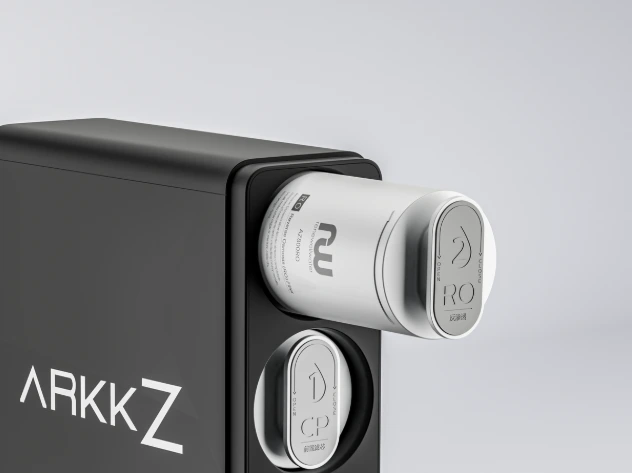
For drinking water, I recommend the ArkkZ Water Filtration System. It is a compact reverse osmosis system that fits under your kitchen sink. Installation is included across Ireland and Northern Ireland.
Renewell Water is Ireland's Number 1 rated water filtration company. You can read what customers say in their own words on the Renewell Water reviews page.
Renewell Water offers a free consultation for you. Book it by clicking here.