
There is no single sequence that suits every home. Start with the problem that costs your household most. If hard water is damaging appliances and raising bills, a softener should be part of the answer. If the water you drink is the main worry, a filter matters most. Many homes have both concerns, and the Gold Package covers both.
Many families ask whether a softener or a filter should come first. The honest answer depends on what is causing the most trouble at home. Start there.
Does hard water affect my family's budget?
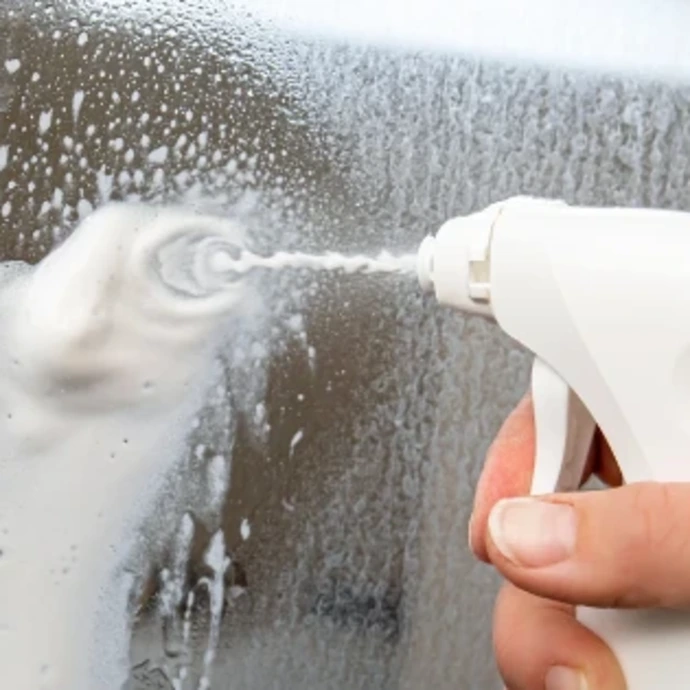
If you have children, you already know how hard water shows up at home. The kettle furs up. The shower leaves a film on the glass. The washing machine seems to need more powder every month. Hard water can also shorten the life of appliances. These costs build quietly, and they land on the same budget as school uniforms and the weekly shop.
What does the science say about mains water?
The starting point is the water coming into your home. The EPA's Drinking Water Quality in Public Supplies 2025 report found that compliance with microbiological and chemical standards remains high at 99.8%. The same report notes that about 80% of Ireland's drinking water comes from rivers and lakes. It also says treatment for many supplies is not as resilient as it should be.

Disinfection is the most important step in treating mains water. Chlorine is one of the main tools used for it. Chlorine has a side effect, though. The EPA explains that trihalomethanes form when natural organic matter in the source reacts with chlorine. In 2025, 24 supplies failed the trihalomethane limit. The HSE found no need for water restrictions.
For a household, the lesson is clear. The water is safe to drink. What reaches your tap can still vary from one area to the next. It helps to know what your home is dealing with.
Which problem should you tackle first?
Hard water is mainly a problem of limescale and cost. It shows up at every outlet, from the kettle to the washing machine. If your appliances are failing, your kettle needs descaling often, or your bills are rising, hard water is probably your worst problem. A softener treats the whole house, so it is the right place to start.
Drinking water is a different question. It is about what you cannot see or taste. If that is your main worry, a reverse osmosis filter at the drinking tap deals with it most directly. It works best on the small amount of water you drink and cook with. Many households also buy bottled water to avoid worrying about their tap water. That cost is easy to overlook because it arrives in small amounts. Add up what your home spends on bottled water over a year, then compare that figure with the cost of reverse osmosis at the tap.

What does a water softener cover?
A softener only protects the house if it sees all the water entering the home. That is why it is fitted on the rising main, before the pipework branches out. Placed at one tap, it would treat a small fraction of the flow, and the rest of the house would stay exposed.
What does reverse osmosis cover?
Reverse osmosis is very effective. It removes most dissolved substances, which is why it produces such pure water. That level of treatment is not needed for a shower or a washing machine. Running it across the whole house would waste water and money.
Many households also buy bottled water to avoid worrying about the tap. That spend is easy to overlook because it arrives in small amounts. Add up what your home spends on bottled water over a year. Then compare that figure with the cost of a filter at the tap.
Chlorine is another reason the filter needs prefilter stages. Free chlorine can damage reverse osmosis membranes. Well designed systems remove it before the membrane does its work. Reverse osmosis membranes are also sensitive to scale, so a home with hard water benefits from softening as well.
How does the Gold Package cover both concerns?
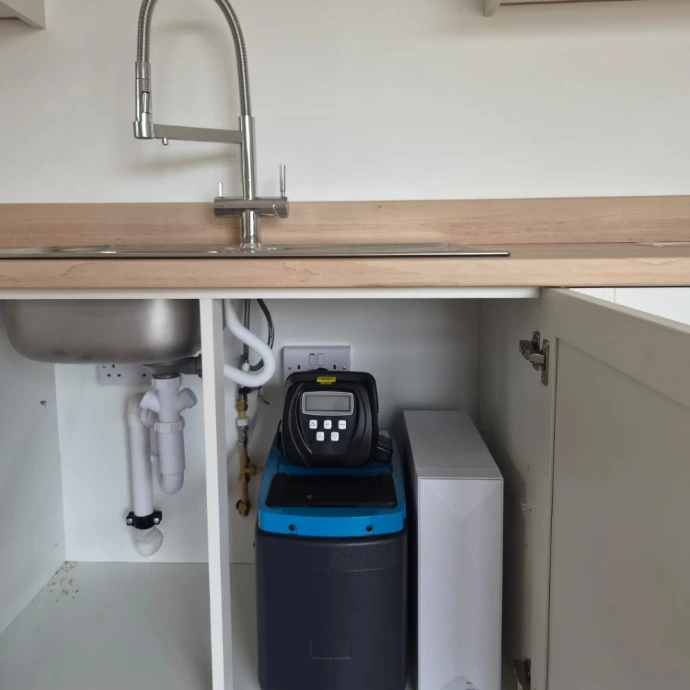
If your home has both problems, the Gold Package addresses them in one package. The Blu Maxi softener is installed onto the rising mains, so limescale is handled across the house. The Vortex Pro reverse osmosis system then treats the water at the kitchen, and it adds calcium and magnesium back in after filtering. The Tri Flow tap delivers hot, cold and pure water from one fixture, so there is no separate filter tap cluttering the sink.
The package needs a nearby drain for regeneration, a power socket and periodic salt refills. Renewell Water's own technicians do the fitting, so there is no plumber to arrange. Renewell Water is Ireland's Number 1 rated water filtration company. You can read what customers say at https://renewellwater.com/reviews.
What should your home do next?
Start with the problem that costs you most. Hard water that damages appliances and raises bills calls for a softener. Drinking water concerns call for a filter at the tap. If you have both, a system that covers both makes the most sense. Good water is a lasting decision, and it is worth making with your home's real problems in view. Check the Gold Package here.
Renewell Water offers a free consultation for you. Book it by clicking here.