
Many Irish homes with hard water benefit from both. A water softener protects the whole house from limescale. A reverse osmosis system gives you cleaner drinking water at the kitchen tap. If your home has hard water and you also want better drinking water, combining the two is the most complete option.
Is Hard Water a Problem for Irish Homes?
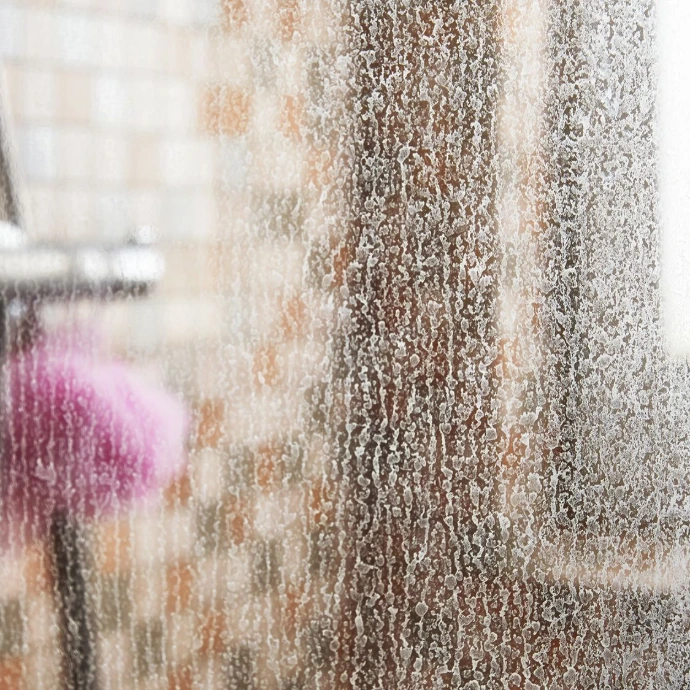
Hard water is common across much of Ireland. It is a natural feature of the supply, not a fault in the pipes. The minerals that make water hard, mainly calcium and magnesium, are picked up as water moves through rock and soil. Public water information sources in Ireland note that hard water is not harmful to health, and many people like its taste. The real issue is what it does to the home.
What Does Limescale Do to Your Appliances?
As water heats, the minerals settle out as limescale. It builds up inside kettles, coffee machines, washing machines, dishwashers and boilers. Over time, scale coats heating elements, so appliances work harder and use more energy. Towels can feel stiff, glassware can look dull, and taps and showerheads can become blocked. Left alone, this build up can shorten the working life of expensive appliances.
Why Does Drinking Water Need Its Own Solution?
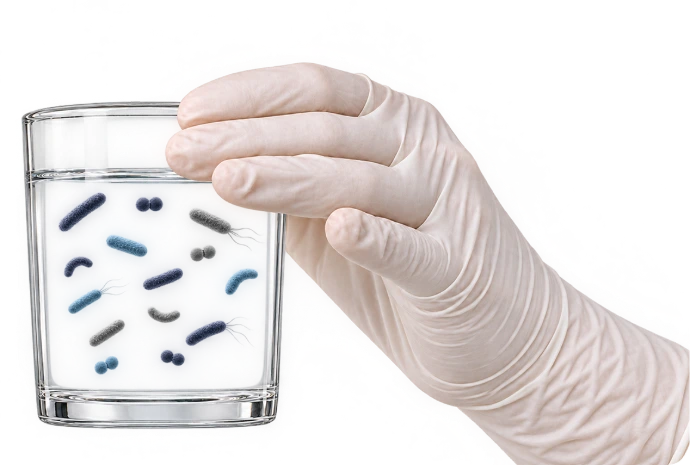
Hard water is only one part of the picture. Mains water is treated at the plant and regularly tested against national and EU standards, which is reassuring. Even so, treated water can still carry chlorine, fine particles and minerals picked up on the way to your tap, and some of these can affect taste or smell. Ageing pipes can add their own traces too. Many families simply want more control over what goes into the glass, so they choose an extra layer of filtration at the kitchen tap.
When Do You Need a Water Softener?
You may need a water softener if limescale appears on taps, kettles and shower screens, or if soap struggles to lather. A softener works on the whole house. It exchanges the calcium and magnesium for sodium, so the water feels softer and appliances stay clear of scale. A softener is about protecting your home and making daily tasks easier. It does not aim to change how drinking water is filtered.
When Do You Need Reverse Osmosis?
Reverse osmosis suits households that want the cleanest possible drinking water. Water is pushed through a fine membrane that removes a wide range of dissolved substances. The system is usually fitted under the kitchen sink and supplies a dedicated tap. If a local water notice or a home test shows something you would rather not drink, reverse osmosis is a strong match. A test from a qualified laboratory is the best way to see what is in your supply.
Do You Need Both at the Same Time?
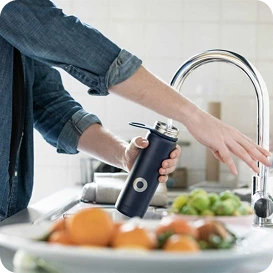
Yes, if your home has hard water and you want clean drinking water. The softener handles scale across the house, and the reverse osmosis system handles what you drink. Installers usually place the softener first, because hard water can shorten the life of a reverse osmosis membrane. Reverse osmosis also removes most of the sodium a softener adds, so the drinking tap gives you water without it. If you are watching your sodium intake, speak with your GP before changing your diet or water routine.
What Is the Gold Package and Who Is It For?
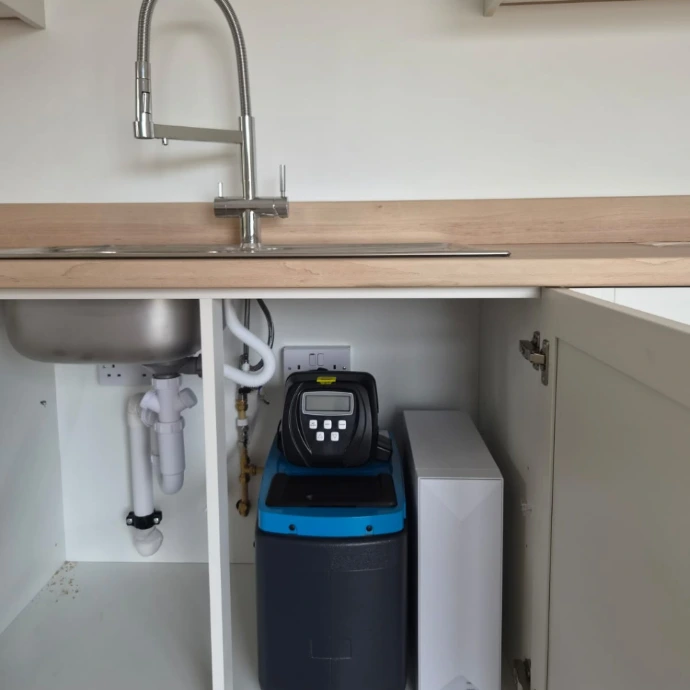
The Gold Package brings both systems plus one Tri-Flow Tap together in one installation. It combines a whole house water softener with a reverse osmosis drinking water system and its own tap. It suits families with hard water who also want better drinking water at the kitchen tap.
For most Irish homes with hard water and drinking water concerns, Renewell Water is our number one recommendation. Renewell Water is Ireland's Number 1 rated water filtration company, and you can read customer feedback at https://renewellwater.com/reviews.
Renewell Water offers a free consultation for you. Book it by clicking here.